
Dermatology Retail Leakage: How to Stop It

• Dermatology Marketing • Medspa Growth • Skincare Retail Strategy
You recommend the retinoid. You explain why the vitamin C has to be that concentration, not a lower one. You catch the exact SPF that will actually protect the results you just delivered. The patient nods, thanks you, and walks out the door.
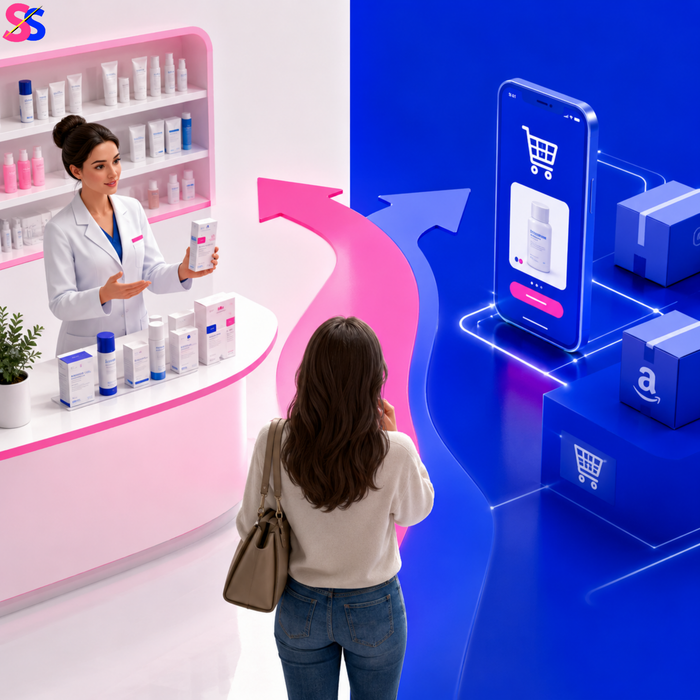
Then they buy it on Amazon.
Not because they don't trust you. Because it's four dollars cheaper and takes ten seconds from the parking lot. And once that habit forms, it doesn't cost you one skincare sale it costs you the entire retail relationship for that patient, permanently.
The Recommendation Isn't the Sale
Most dermatology practices and medspas treat the product recommendation as the finish line. It isn't. A recommendation with no purchase pathway is just free advertising for whichever retailer ranks first on Google. You did the clinical work the consult, the diagnosis, the exact regimen for that patient's skin. Someone else collects the margin.
This is retail leakage, and it is quietly draining revenue out of practices that are otherwise thriving clinically. It doesn't show up on a P&L as a line item. It shows up as skincare revenue that's flat year over year despite a full patient schedule because the sales are happening, just not to you.
Where That Revenue Actually Goes
Here's what typically happens in the 48 hours after a patient leaves your office without product in hand:
- They search the product name and land on Amazon, Ulta, or a third-party reseller they've never vetted.
- There's a real chance they end up with a diverted or reformulated version of the product you actually recommended same box, different (and sometimes expired) contents.
- Your practice loses the margin on a sale you already did the work to earn.
- You lose visibility into whether they're actually using the product correctly, or using it at all — which quietly undermines the results you're being judged on.
Why This Costs More Than the Missed Sale
The margin is the part everyone notices. It's not the part that matters most.
Physician-dispensed skincare is one of the few product categories where compliance actually correlates with clinical outcomes. A patient who buys their retinoid from you is far more likely to still be using it in 90 days than one who bought a lookalike off a marketplace. Outcomes drive referrals. Referrals drive new-patient volume. The retail sale you lost wasn't just a transaction it was a data point on whether your treatment plan actually gets followed at home.
And every product sale that leaves your building is also a missed touchpoint. It's one less reason for that patient to open an email from your practice, one less line in the lifetime-value column, one less signal that the relationship is with you, not with whichever platform happened to be open on their phone.
You Were Not There
You were not there when they typed the product name into a search bar. You were not there to explain why the derm-grade formulation matters, or to catch the moment they almost bought the wrong concentration entirely. By the time they're checking out on someone else's site, the relationship you built in the room is already competing with a price tag.
Ship Plus closes that gap completely.
Closing the Gap Without Adding to Your Front Desk's Workload
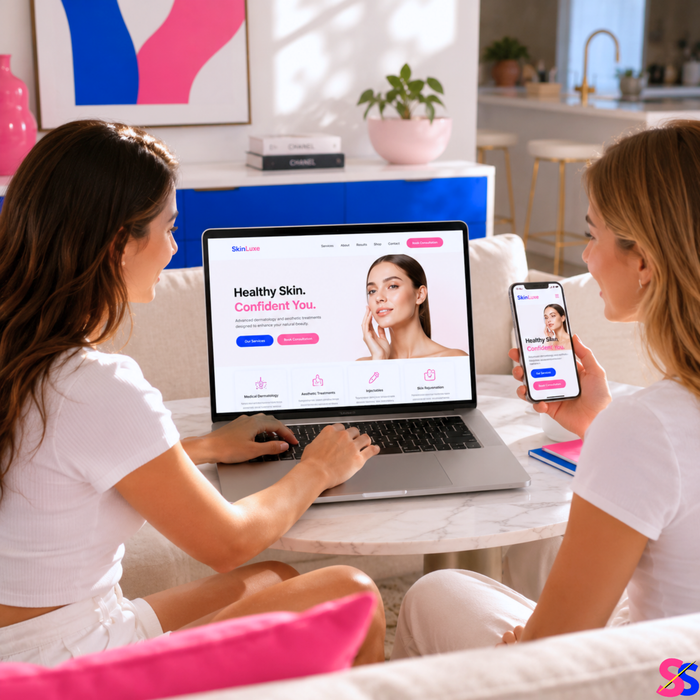
Fixing retail leakage doesn't mean turning your check-out desk into a retail counter or asking your staff to upsell on the way out. It means giving patients a purchase path that's just as easy as opening Amazon except it leads back to you, carries the exact formulation you prescribed, and keeps the sale, the margin, and the compliance data inside your practice.
That's the entire premise behind Ship Plus: an automated, branded post-visit purchase pathway that follows the patient home, so the recommendation you made in the room is the one that actually gets fulfilled.
If patients are leaving your office and buying somewhere else, that's not a marketing problem. It's a revenue leak with your practice's name on it and it's fixable.


Leave a comment